


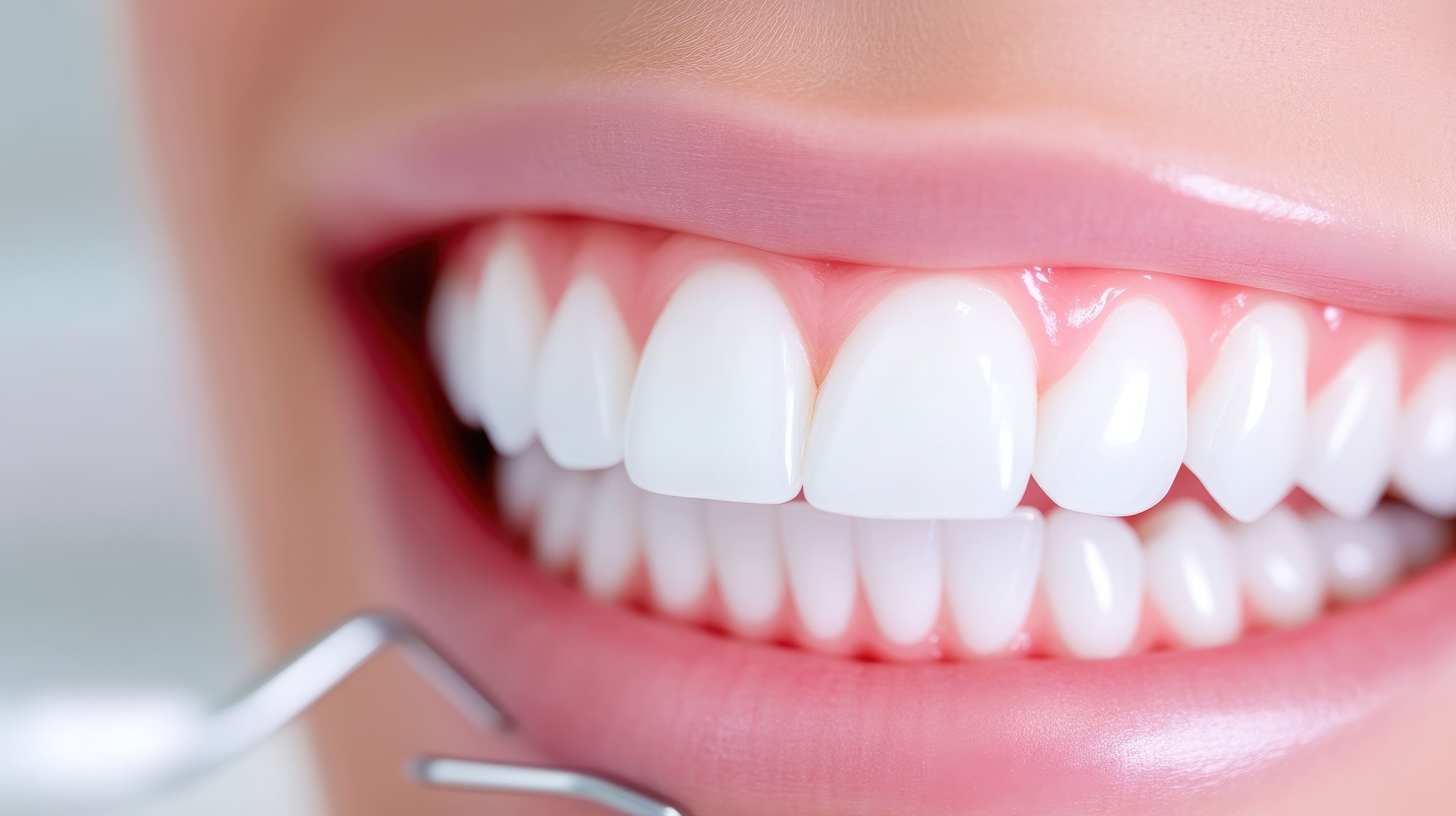

If you have been thinking about improving your smile but feel unsure where to start, you are not alone. Between whitening, veneers, bonding, and clear aligners, it is hard to know which option actually fixes your concern — and which is a waste of money for it. This guide breaks down what each treatment does best, so you can walk into a consultation already understanding your choices.
Start With the Problem, Not the Treatment
The single most common mistake people make is choosing a treatment before defining the problem. Whitening will not fix a chipped tooth. Veneers are overkill for teeth that are simply a little dull. The right starting point is naming what actually bothers you when you look in the mirror. From there, the right treatment usually becomes clear.
Here is a quick way to match concern to solution:
Teeth Whitening: Best for Color Only
If your teeth are healthy, well-aligned, and simply not as bright as you would like, professional whitening is almost always the place to start. It is the least invasive, most affordable cosmetic option, and it delivers dramatic results on the everyday stains caused by coffee, tea, red wine, and aging.
The limitation: whitening only lifts surface (extrinsic) stains. It cannot change the color of a filling or crown, and it will not touch intrinsic discoloration from medication or injury. It also does nothing for shape, chips, or alignment. But when color is the only issue, nothing beats whitening on value. Learn more about professional whitening here.
Dental Bonding: Best for Small, Targeted Fixes
Dental bonding uses a tooth-colored resin to repair a specific problem — a chipped corner, a small gap, an uneven edge. It is typically completed in a single visit, requires little to no enamel removal, and costs less upfront than veneers.
The trade-off is longevity and stain resistance. Bonding generally lasts around five to seven years and can pick up stains over time, whereas porcelain resists staining and lasts longer. Bonding shines when you have one or two minor issues to correct and want a conservative, efficient fix.
Porcelain Veneers: Best for a Complete Transformation
Veneers are thin porcelain shells bonded to the front of your teeth, and they are the most versatile cosmetic option because they address several concerns at once — color, shape, size, gaps, and minor misalignment — in a single treatment. Because porcelain mimics the light-reflecting quality of natural enamel and resists staining, the results look lifelike and hold up for many years, often 10 to 15 or longer.
Veneers are a bigger investment and involve removing a small amount of enamel, which makes them a permanent commitment. But for someone who wants to change multiple things about their smile at once — or fix discoloration that whitening cannot reach — veneers deliver the most comprehensive result. Learn more about porcelain veneers here.
Invisalign: Best When Alignment Is the Real Issue
Sometimes what reads as an "ugly smile" is really a straightness problem. If your teeth are crowded, crooked, or gapped, no amount of whitening or bonding will address the underlying alignment. Invisalign clear aligners straighten teeth discreetly, and because they move your natural teeth rather than covering them, they preserve your tooth structure entirely.
Many patients are surprised to learn that straightening their teeth alone dramatically improves their smile — sometimes eliminating the need for veneers altogether. In other cases, patients straighten first with Invisalign, then whiten or add a veneer or two for a polished finish. Explore Invisalign and orthodontic options here.
Why Many Smiles Benefit From a Combination
The most natural-looking results often combine treatments rather than relying on just one. A common sequence looks like this: straighten with Invisalign, whiten once teeth are aligned, then refine one or two teeth with bonding or veneers. Planned together, these treatments complement each other and can mean less total work than trying to force a single treatment to solve everything. When several treatments are combined into one coordinated plan, that is what a smile makeover involves.
This is exactly why a consultation matters. Dr. Brigham Stoker evaluates your teeth, listens to your goals, and gives you an honest recommendation — including when a simpler, less expensive option will get you where you want to go. That straightforward, no-pressure approach means you only pursue what genuinely serves your smile.
How to Choose: Questions to Ask Yourself
- Is my concern about color, shape, alignment, or all three? Color alone points to whitening; multiple issues point toward veneers or a combination.
- Do I want a conservative fix or a complete transformation? Bonding is conservative; veneers are transformative.
- Am I willing to make a permanent change? Veneers involve enamel removal; whitening and Invisalign do not.
- What is my timeline? Whitening and bonding are fast; Invisalign takes months but preserves your natural teeth.
There are no universally right answers — only the right answer for your smile, which is best determined together with your dentist.
Find the Right Option for Your Smile
The best approach is the one built around your specific goals, not a one-size-fits-all package. Whether that turns out to be a simple whitening session or a comprehensive plan, we will give you a clear, honest recommendation and a detailed estimate before anything begins — with no surprise expenses.
Ready to explore your options? Learn about our cosmetic and smile design services or call (801) 505-6850 to schedule a consultation with Dr. Stoker.
Frequently Asked Questions
What is the difference between veneers and whitening?
Whitening lifts surface stains to brighten your natural teeth but cannot change their shape or fix deep discoloration. Veneers are porcelain shells that cover the front of teeth, addressing color, shape, gaps, and minor misalignment at once. Whitening is best for color-only concerns; veneers are best for comprehensive changes or stains that whitening cannot reach.
Should I whiten my teeth before or after getting veneers?
If you are combining treatments, whiten first. Whitening does not change the color of veneers once they are made, so your natural teeth should reach your desired shade before your veneers are color-matched to them. Your dentist will plan the sequence so everything blends seamlessly.
Is Invisalign considered part of a smile makeover?
Yes. When crooked or gapped teeth are the underlying issue, Invisalign is often the foundation of a smile makeover. Straightening teeth can dramatically improve a smile on its own and sometimes reduces or eliminates the need for veneers. Many patients combine Invisalign with whitening or minor cosmetic work for a finished result.
What is the most affordable way to improve my smile?
Professional teeth whitening is typically the most affordable cosmetic treatment and offers a dramatic result when color is your main concern. Dental bonding is a budget-friendly option for small, targeted repairs. During a consultation, Dr. Stoker will recommend the option that fits both your goals and your budget.
How do I know which cosmetic treatment is right for me?
Start by identifying your main concern — color, shape, alignment, or a combination. From there, a consultation lets your dentist evaluate your teeth and recommend the most effective option, which may be a single treatment or a combination planned to work together. An honest evaluation prevents you from paying for more treatment than you actually need.
Can I combine multiple cosmetic treatments?
Absolutely, and many of the best results come from combining treatments — for example, straightening with Invisalign, then whitening, then refining a tooth or two with bonding or a veneer. Planned together, treatments complement each other and often reduce the total amount of work needed.
